 Climate Doctor
Join the Movement
Climate Doctor
Join the Movement
One ocean.
A changing atmosphere.
A global impact.
01 — THE BASICS
El Niño is the warm phase of a natural, recurring cycle in the Pacific Ocean called ENSO (El Niño–Southern Oscillation). Every few years, surface waters in the central and eastern tropical Pacific warm well above average — sometimes by 1–3°C.
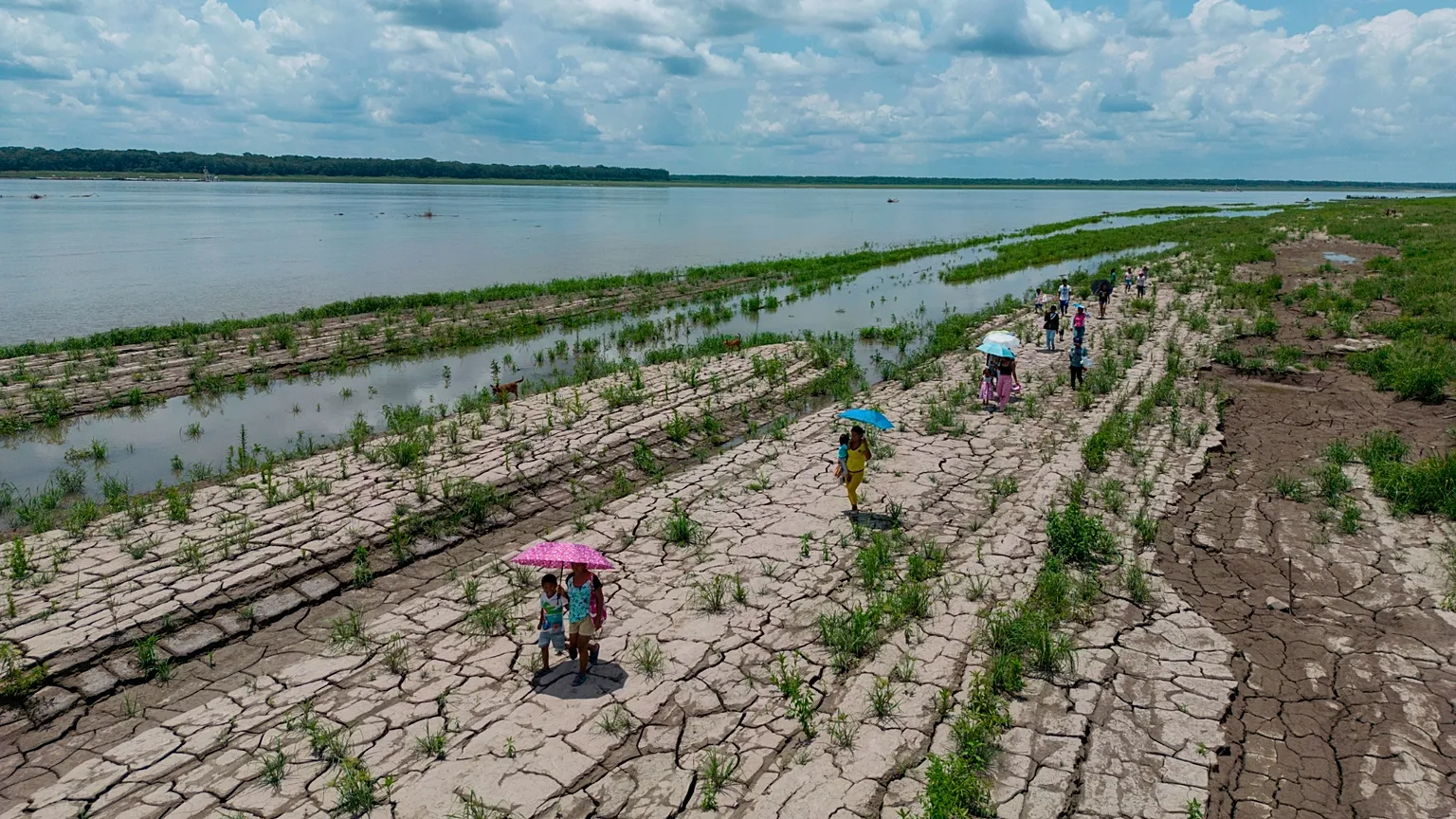
That might sound like a small, local change. It isn't. The Pacific Ocean is large enough that when it warms, it changes how heat and moisture move through the entire atmosphere — which is why El Niño's effects show up on weather maps on the other side of the planet, including over India.
02 — THE MECHANISM
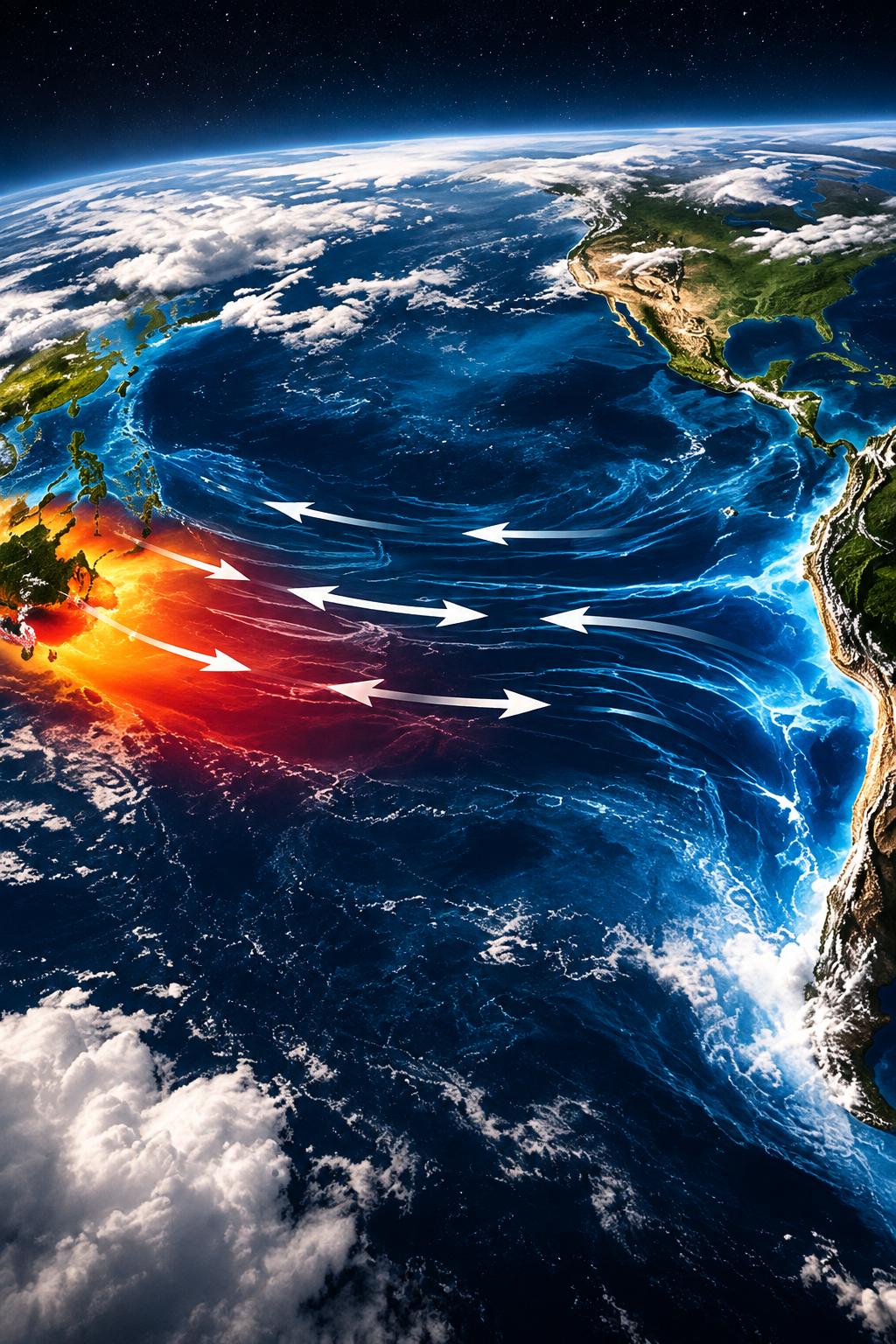
Trade winds push warm surface water west across the Pacific, letting cooler water rise along South America's coast.
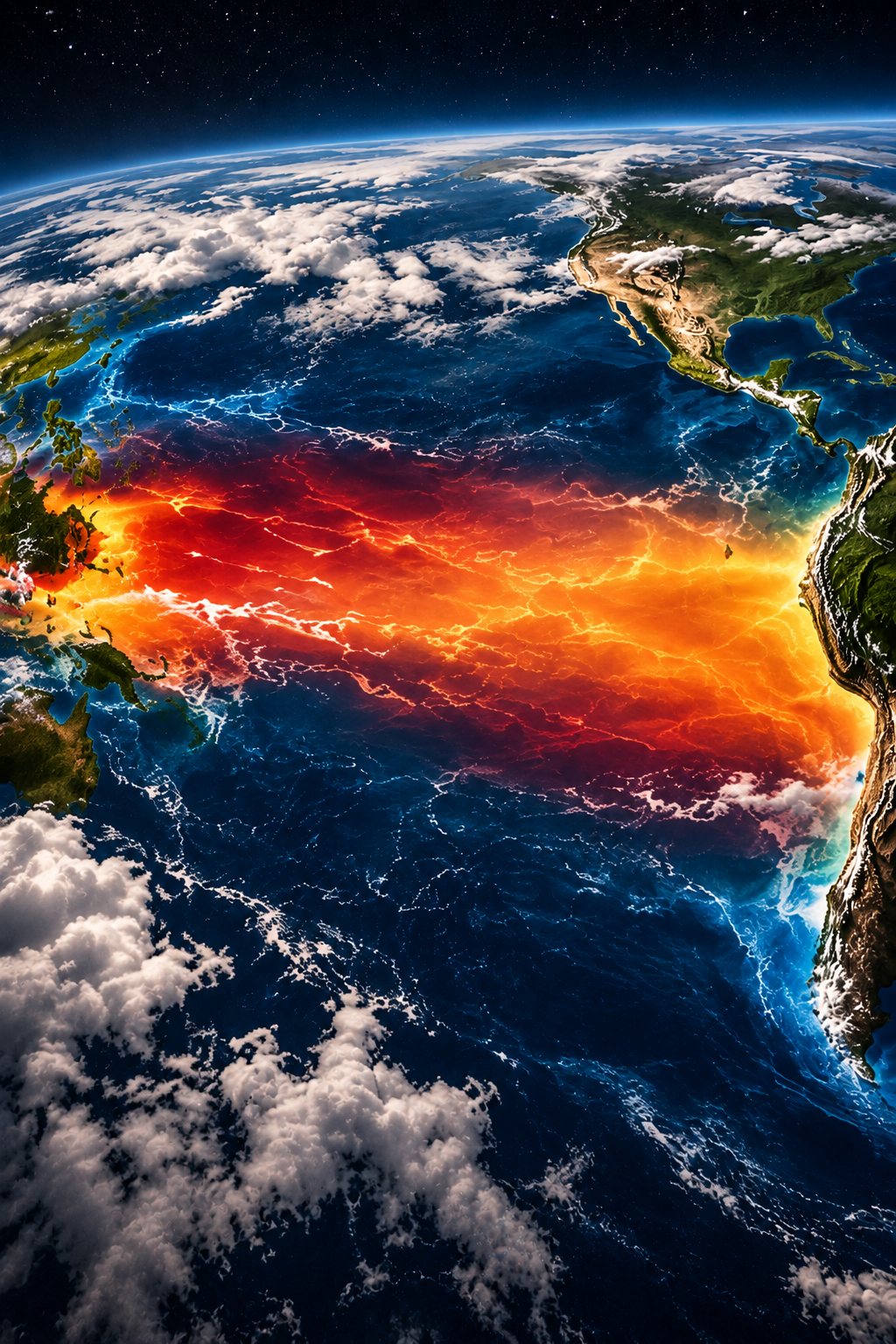
Trade winds weaken. Warm water that was piled up in the west spreads back east, warming the central and eastern Pacific.
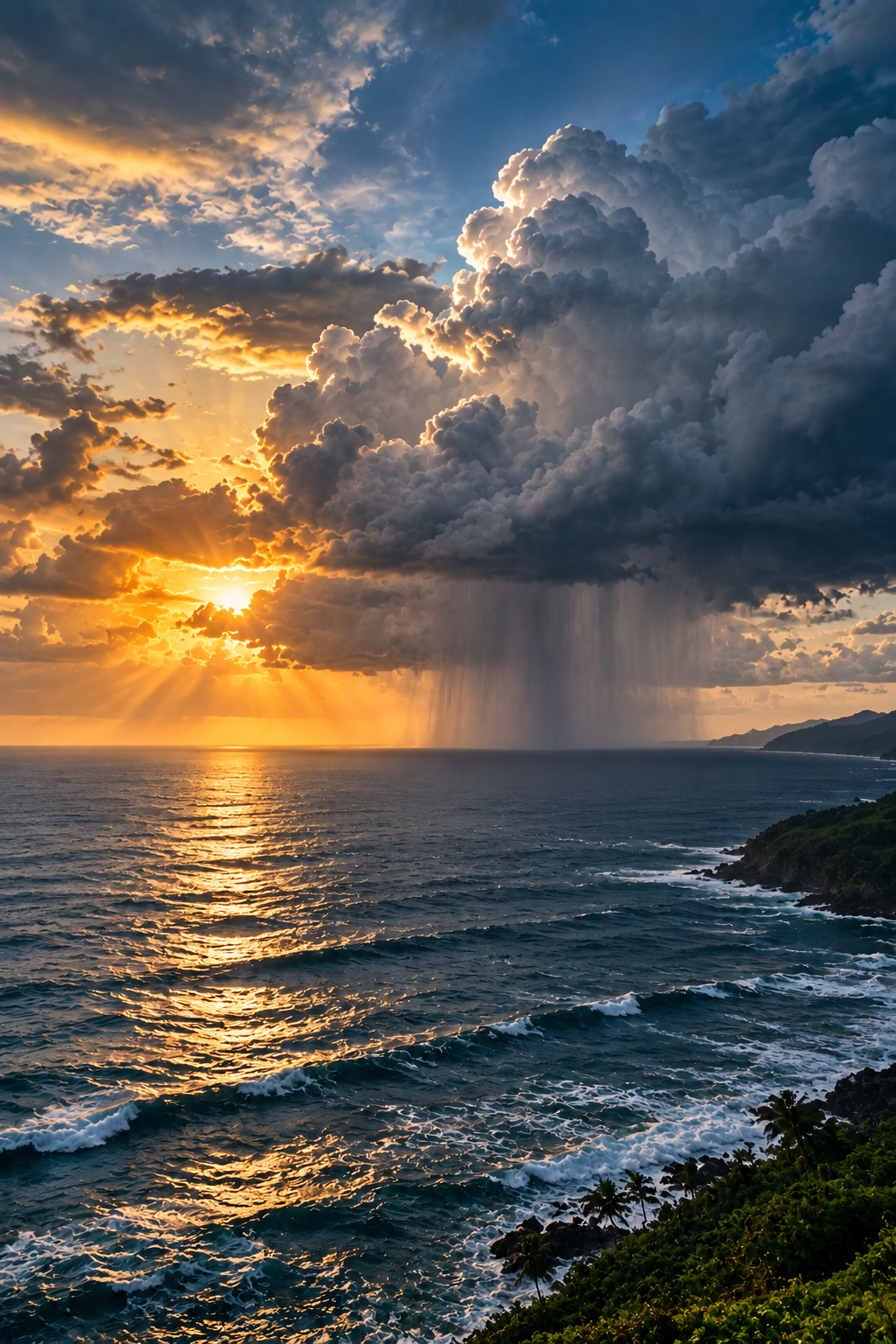
Warmer water fuels more rainfall over the Pacific itself, pulling the atmosphere's usual circulation patterns off course.
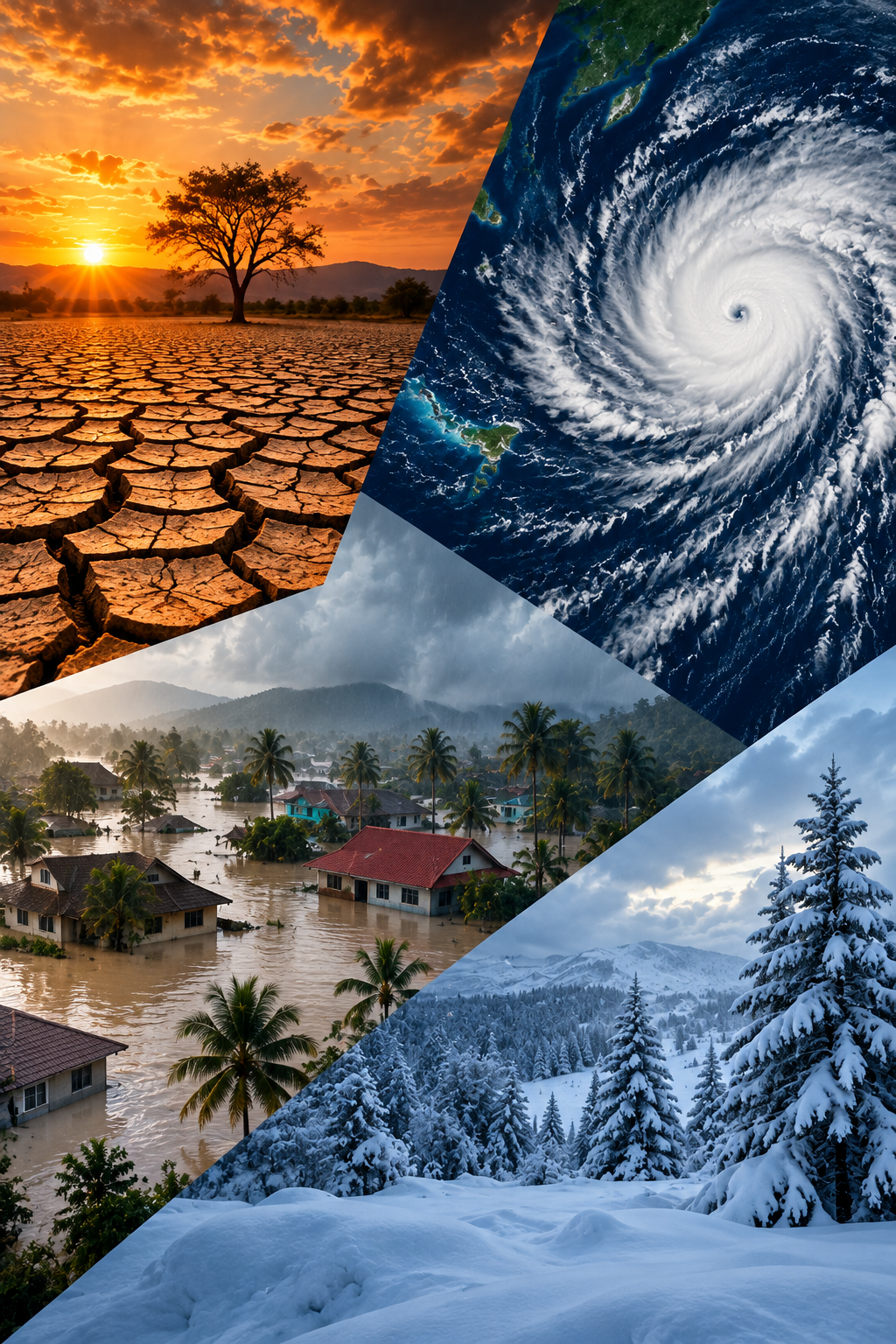
Those atmospheric shifts ripple outward — reshaping rainfall, temperature and storm patterns across continents.
03 — GLOBAL IMPACT
El Niño doesn't affect every region the same way. Pick a region to see how.
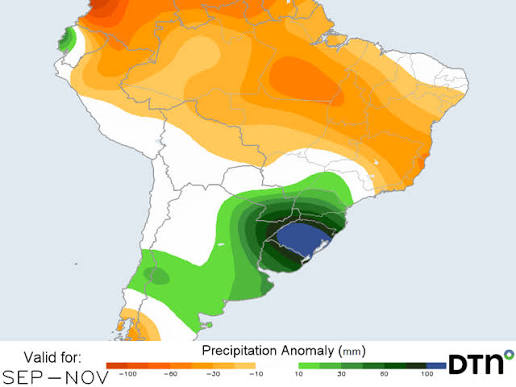
Coastal Peru and Ecuador see the strongest local signature — heavy rainfall and flooding along a coastline that's normally dry, as the warm water that usually stays in the western Pacific settles right offshore.
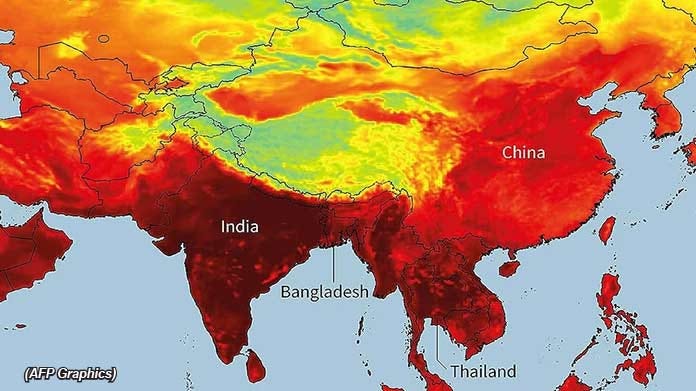
Large parts of South and Southeast Asia tend to see weaker, delayed monsoon rainfall, along with a higher risk of drought and heat stress across farming regions.
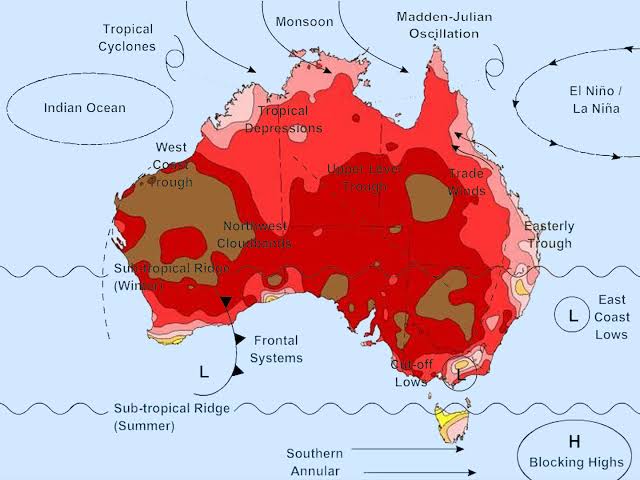
Eastern and northern Australia commonly experience below-average rainfall and an elevated bushfire risk during El Niño years.
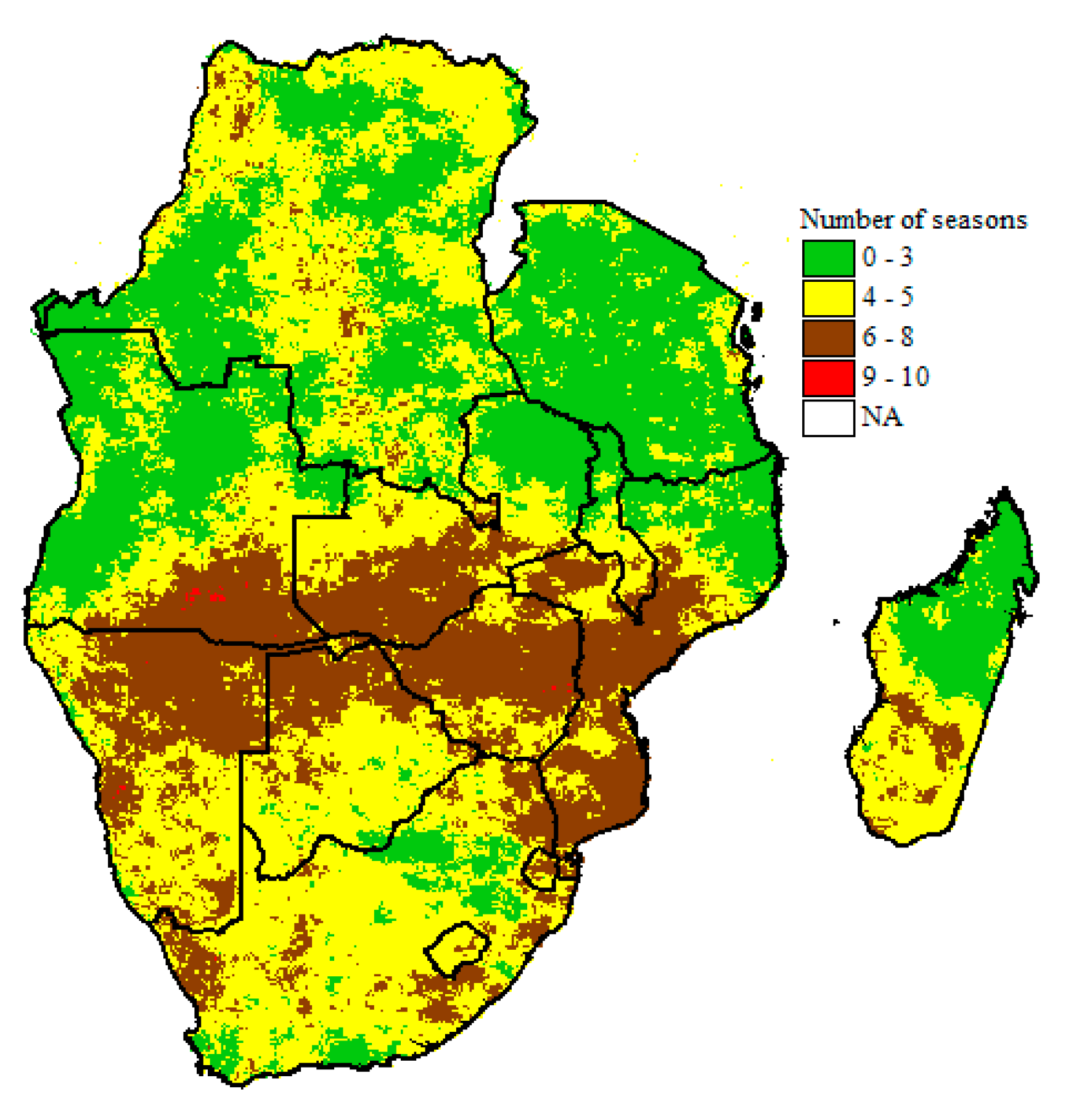
Southern Africa tends to dry out, while parts of East Africa can see above-average rainfall — sometimes to the point of flooding.
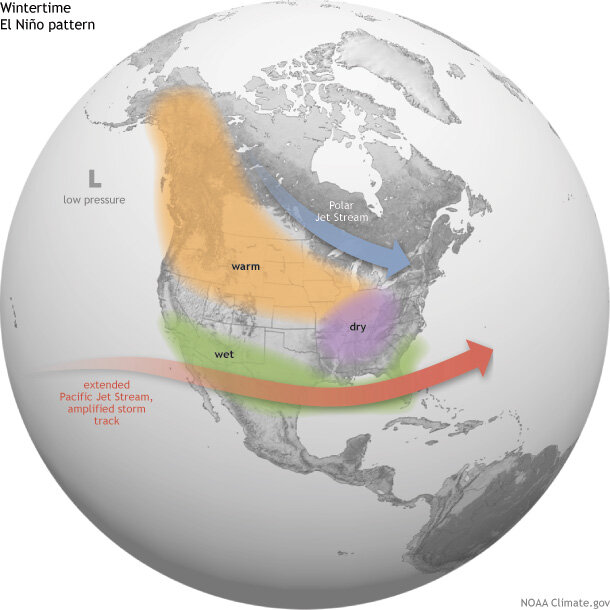
The southern United States typically sees a wetter, stormier winter, while the northern US and Canada tend to run milder and drier than usual.
04 — CLOSE TO HOME
India's economy and food security lean heavily on one season: the summer monsoon. El Niño is one of the clearest known influences on how that season turns out.
Strong El Niño years have historically lined up with below-average monsoon rainfall across large parts of the country.
Delayed or reduced rain shifts sowing windows for staple crops like rice, pulses and oilseeds — with knock-on effects for rural incomes.
El Niño years tend to run warmer on average, adding to heat stress during an already hot pre-monsoon season.
Weaker monsoons mean less recharge for reservoirs and groundwater — effects that can carry into the following year.
Rainfall doesn't just get lighter — it can get patchier, with longer dry spells punctuated by intense, damaging downpours.
Crop shortfalls ripple into food prices, affecting household budgets well beyond the farms directly hit.